


Slots, Poker & Sportsbooks: Inside the Modern iGaming Ecosystem
Walk into any online casino lobby at 2 a.m. and you'll find a strange mix of people: a night-shift nurse spinning $0.20 slots on her phone, a poker grinder
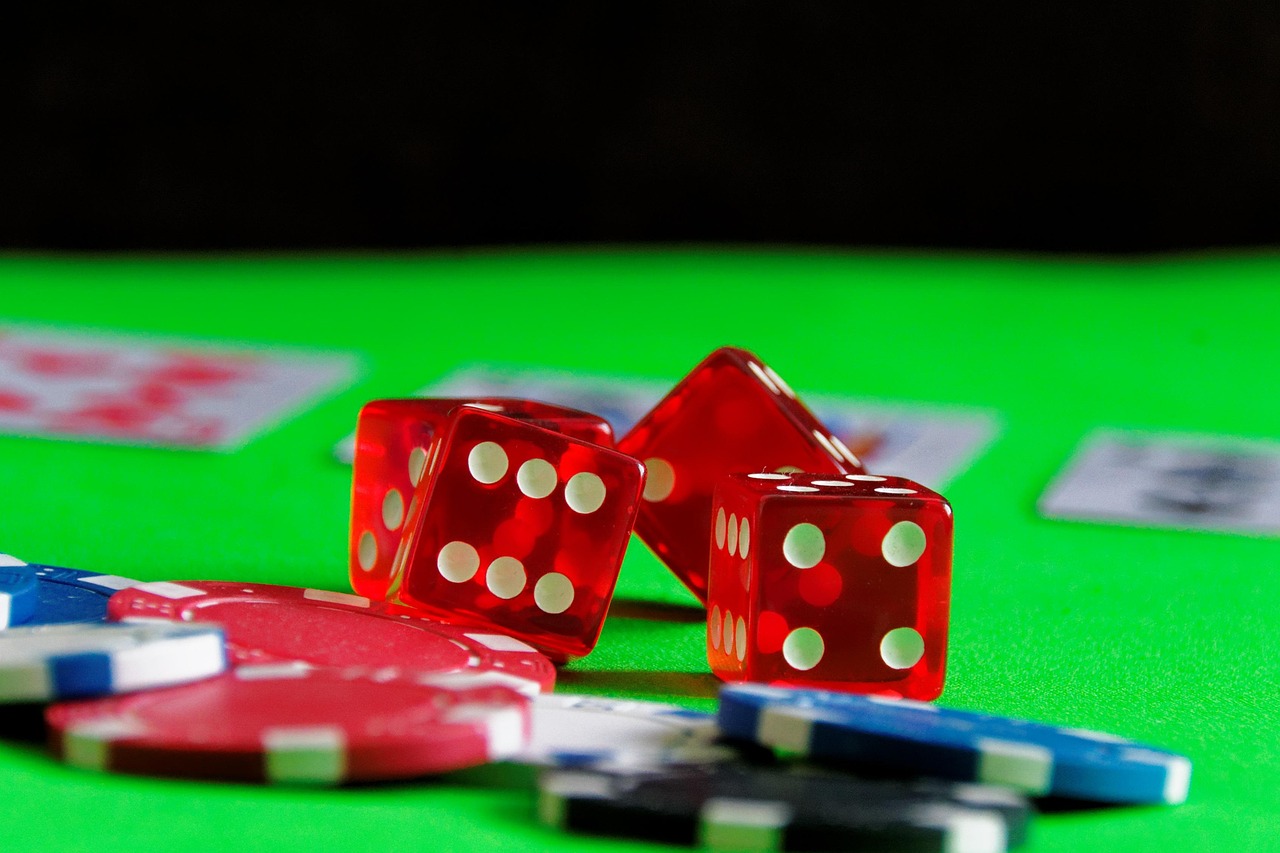
Walk into any online casino lobby at 2 a.m. and you'll find a strange mix of people: a night-shift nurse spinning $0.20 slots on her phone, a poker grinder four-tabling $1/$2 No-Limit Hold'em on a dual monitor setup, and a sports bettor sweating a live in-play line on a Bundesliga match. They're all in the same iGaming ecosystem, but they're playing three completely different games — psychologically, mathematically, and financially.
That's the thing most casual players never fully grasp. "iGaming" isn't one product. It's an umbrella term covering slots, table games, poker, sports betting, live dealer, bingo, and increasingly crash games and virtuals. Each vertical has its own house edge, its own skill ceiling, and its own breed of player. If you want to get more out of your time and money online, you need to understand which one you're actually playing.
The Real Difference Between Slots and Poker
Slots and poker sit on opposite ends of the iGaming spectrum, and confusing the two is the fastest way to lose money.
Slots are pure chance. Every spin is independent. A modern video slot like Sweet Bonanza or Gates of Olympus uses a random number generator that fires thousands of results per second. There's no hot streak, no cold machine, no "due" bonus. The return-to-player (RTP) is baked into the math — typically between 94% and 97% on reputable titles, though some studios ship slots at 94.5% in one market and 96.2% in another. That tiny difference matters more than any strategy you'll read on a forum.
Poker is the opposite. You're not playing against the house; you're playing against other people, and the house takes a rake. Over time, a skilled player can genuinely win. A weak player can genuinely lose. That skill edge is why professional poker still exists while professional slot playing does not.
- Slots: fixed odds, no decisions, entertainment-first
- Poker: variable odds, heavy decision-making, skill-first
- House edge on slots: usually 3-6%
- Rake in online poker: often 2-5% of the pot, capped
If you enjoy slots, treat them as paid entertainment — like a cinema ticket with a chance of a refund. If you want a game where studying actually pays, poker is your lane. A detailed guide is available at สล็อตเว็บตรง.
Why Sports Betting Feels More "Beatable" (And Sometimes Is)
Sports betting occupies a strange middle ground. It's not pure chance like slots, and it's not player-versus-player like poker. You're betting against the bookmaker's line, and that line is a prediction built from data, sharp money, and public bias.
Here's a concrete example. If the true probability of Manchester City winning is 60%, a fair price is around 1.67 in decimal odds. If a bookmaker offers 1.75, you have value. If they offer 1.55, you don't. The entire discipline of sports betting — the part that actually separates long-term winners from losers — is spotting the gap between the offered price and the true probability.
The problem? Most recreational bettors don't think in probabilities. They think in narratives. "City always wins at home." "The underdog is due." "My mate says the fix is in." That's how bookmakers make their margin.
If you want to take sports betting seriously:
- Track every bet in a spreadsheet with odds, stake, and result.
- Focus on one or two leagues instead of betting everything.
- Compare odds across at least three sportsbooks before placing.
- Never chase a loss by doubling your next stake.
A 55% win rate at even-money odds is a profitable bettor. A 55% win rate at 1.60 odds is a losing one. Odds discipline beats gut feeling every single time.
Live Casino and the Rise of the "Hybrid" Player
The fastest-growing vertical in iGaming right now is live dealer. Evolution, Pragmatic Play Live, and Playtech have turned what used to be a clunky webcam feed into a polished product with real croupiers, real wheels, and real-time chat. Games like Crazy Time, Lightning Roulette, and Monopoly Live blend slot-style multipliers with table-game rules.
What makes live casino fascinating is that it's pulling in players who never touched online tables before. A slots player might watch a streamer hit a 5,000x multiplier on Crazy Time and think, "I could do that." Sometimes they do. Usually they don't.
The honest truth about live casino multipliers: they're funded by lower base payouts on every other outcome. That 500x Lightning multiplier on a straight-up number doesn't come out of thin air — it comes from reduced payouts on the numbers that don't get struck by lightning. Read the paytable before you assume a game is generous because the maximum win looks big.
Bankroll Management: The Only Strategy That Always Works
Here's the part nobody wants to hear. No betting system — Martingale, Fibonacci, flat betting, whatever TikTok is pushing this month — changes the house edge. What you can control is how long your bankroll lasts and how much damage a bad session does.
A few rules that separate players who last from players who tilt:
- Never bet more than 1-2% of your bankroll on a single slot spin or sports bet.
- Set a hard loss limit before you start, and honor it.
- Set a win target too — walking away up is a skill.
- Keep poker, sports, and casino funds separate so one vertical doesn't drain another.
- Take breaks after big wins. Euphoria is more dangerous than frustration.
A bankroll is not a challenge to be conquered. It's a tool. Treat it that way and you'll still be playing in six months instead of rage-quitting after a bad Sunday.
Bonuses, RTP, and the Fine Print That Actually Matters
Welcome bonuses look generous until you read the wagering requirements. A "100% up to $500" offer with a 40x wagering requirement on both deposit and bonus means you'd need to wager $40,000 before withdrawing anything. That's not a bonus. That's a leash.
Better offers usually sit at 25x-35x wagering, exclude certain high-RTP games, and cap the maximum cashout. Free spins are often worth less than they appear because they're tied to specific low-volatility slots. Before claiming anything, check three numbers:
- The wagering multiplier
- Whether the deposit is included in the wagering base
- The maximum cashout cap
If those three numbers look ugly, the bonus isn't free money — it's a commitment to keep playing longer than you planned. Sometimes that's fine. Sometimes it's a trap. Know which one you're stepping into.
Final Thoughts: Play the Vertical That Fits You
The iGaming world rewards self-awareness more than it rewards luck. Slots players who accept variance enjoy the ride. Poker players who study their hands and track results slowly build an edge. Sports bettors who shop odds and resist narratives grind out small profits. Live casino fans who treat every round as entertainment get exactly what they paid for.
The players who get burned are the ones who mix these mindsets up — who play slots like poker, bet sports like lottery tickets, and treat bonuses like free money. Pick the vertical that matches your temperament, respect the math, and you'll get far more out of online gaming than the average player ever does.


Post a comment